Trees to spot
Over the Nest
New Zealand’s native trees are an important part of the landscape surrounding Urbany Nest, creating shelter, colour, and habitat for local wildlife. From coastal species shaped by wind and salt air to towering forest trees, many can be seen throughout Nest Valley and the surrounding bush.
While exploring or relaxing here, take time to notice the variety of leaves, textures, and seasonal changes around you. Many of these trees provide food and shelter for native birds, helping create the peaceful natural environment that makes Aotearoa so special.
Nest Valley:
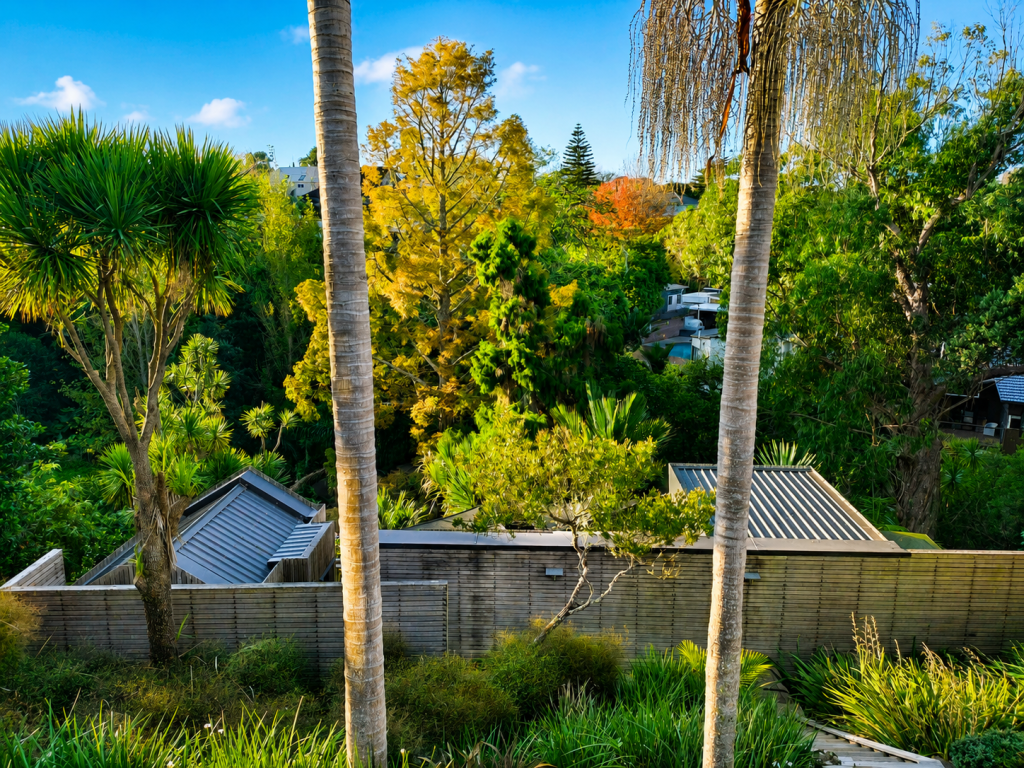
Linking Auckland’s Eastern Bird Corridor
Our trees and native vegetation form part of Auckland’s eastern bird corridor, providing food, shelter, and resting places for birds moving between the Hauraki Gulf islands and mainland reserves. Species such as pōhutukawa, nīkau, and karaka support native birds including tūī, kererū, bellbirds, and kākāriki as they travel through coastal and suburban green spaces.
These pockets of bush and mature trees act as “stepping stones” across the landscape, helping wildlife move safely through urban areas while also supporting insects and pollinators. Protecting and planting native trees strengthens these corridors and helps maintain the biodiversity of areas like Howick and Cockle Bay.
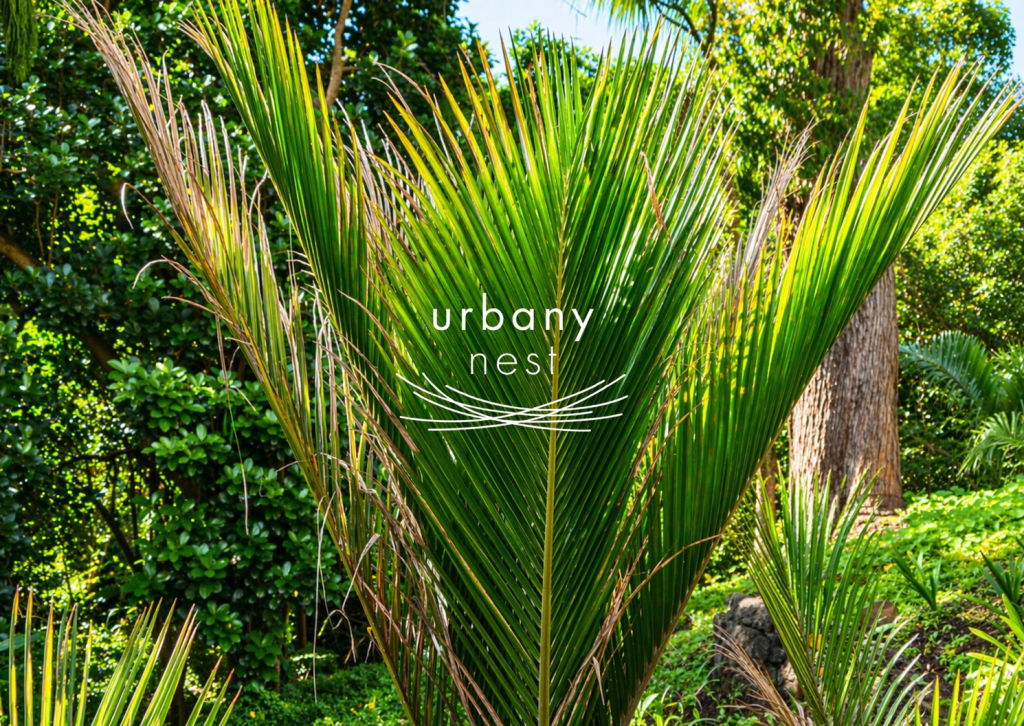
Nīkau Palm – New Zealand’s Native Palm
The nīkau palm is New Zealand’s only native palm and the southernmost naturally occurring palm species in the world.
- Easily recognised by its smooth, ringed trunk and arching fronds
- Commonly found in coastal and lowland native forests
- Adds a distinctive tropical feel to New Zealand landscapes
- Produces mauve nectar-rich flowers that attract birds and insects
- Bright red fruit provides food for native birds such as kererū and kākā
- Traditionally valued in Māori culture for weaving and thatching
- Extremely slow growing, often taking decades to form a trunk
- Can live for centuries and become an impressive forest feature.
Rimu – One of New Zealand’s Great Forest Giants
Rimu is one of New Zealand’s most iconic native conifers, known for its towering height and graceful drooping foliage.
- Found throughout the North, South, and Stewart Islands
- Can grow up to 60 metres tall
- Some trees are believed to be over 1,000 years old
- Provides important food for birds including kererū, tūī, bellbirds, and kākāpō
- Supports insects and epiphytic plants throughout the forest ecosystem
- Once widely used for timber and highly valued in Māori culture
- Now protected as an important part of New Zealand’s native forests.
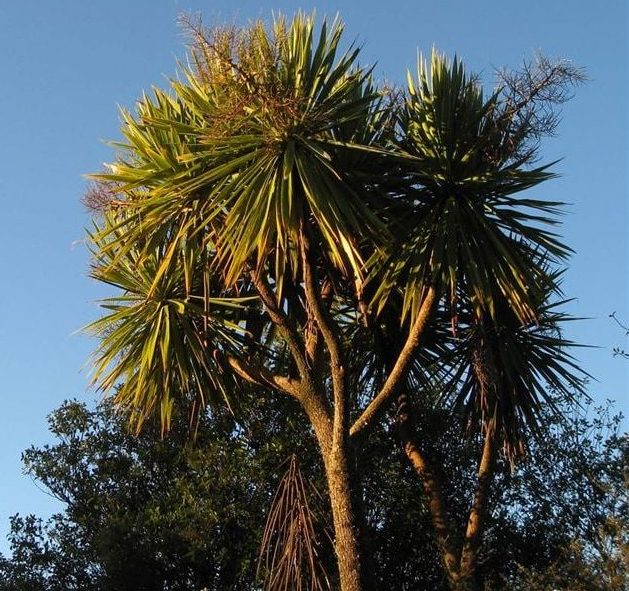
Cabbage Tree (Tī Kōuka) – A Classic New Zealand Native
The cabbage tree is one of New Zealand’s most recognisable native trees, commonly seen in open landscapes, wetlands, and rural areas.
- Tall, distinctive form with long narrow leaves up to one metre long
- Produces scented flowers followed by bluish-white berries eaten by birds
- Strong taproots and thick bark help stabilise soil and resist harsh conditions
- Grows throughout the North and South Islands
- Thrives in wet, dry, windy, and exposed environments
- Helps prevent erosion, especially along waterways and stream banks
- Historically used by Māori for food, fibre, and traditional medicine
- Early settlers valued the tree for its durable and fire-resistant wood.
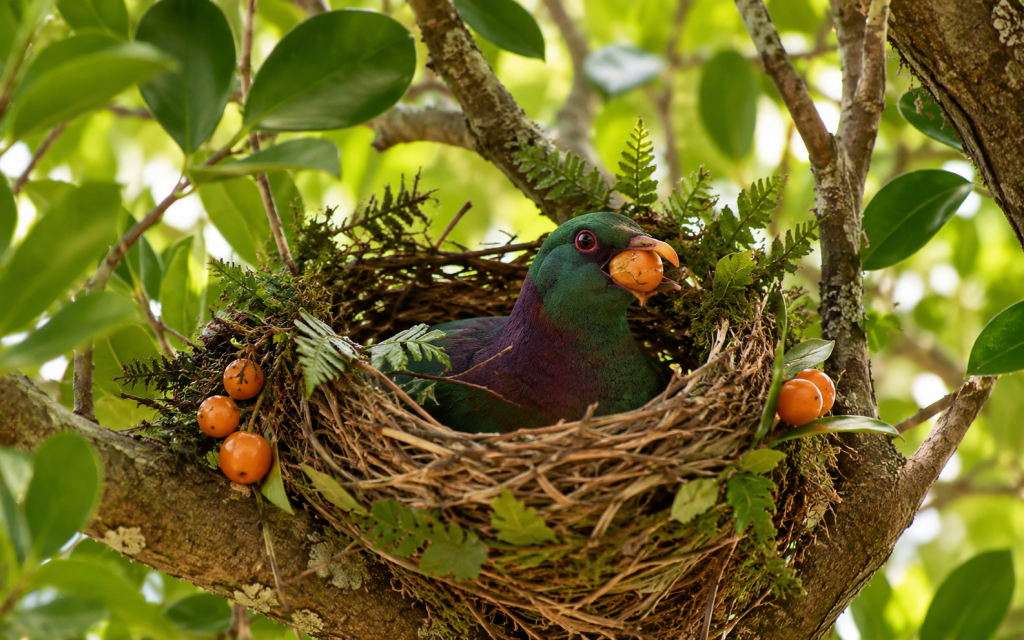
Karaka Tree – A Hardy Coastal Native
The karaka tree is a large coastal native species known for its glossy leaves and bright orange fruit.
- Dense evergreen canopy with thick, leathery dark green leaves
- Produces small greenish-cream flowers in spring
- Recognisable for its large clusters of orange fruit
- Commonly found in coastal forests throughout much of New Zealand
- Particularly widespread in the North Island
- Hardy species that can form dense stands in suitable conditions
- Closely linked to historical Māori cultivation and use
- Provides a distinctive feature in coastal native landscapes.
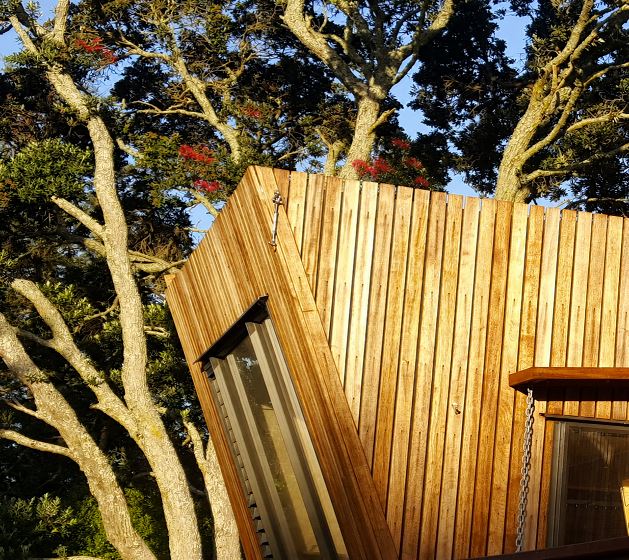
Pōhutukawa – New Zealand’s Christmas Tree
Pōhutukawa is one of New Zealand’s most iconic native trees, famous for its brilliant red summer flowers.
- Often called the “New Zealand Christmas Tree”
- Bright red flowers typically bloom around December
- Commonly found in coastal areas of the upper North Island
- Closely related to native rātā species
- Holds strong cultural and spiritual significance in Māori traditions
- Important coastal tree providing shelter and habitat for wildlife
- Threatened in some areas by browsing possums
- Remains an important ecological and cultural symbol of Aotearoa.
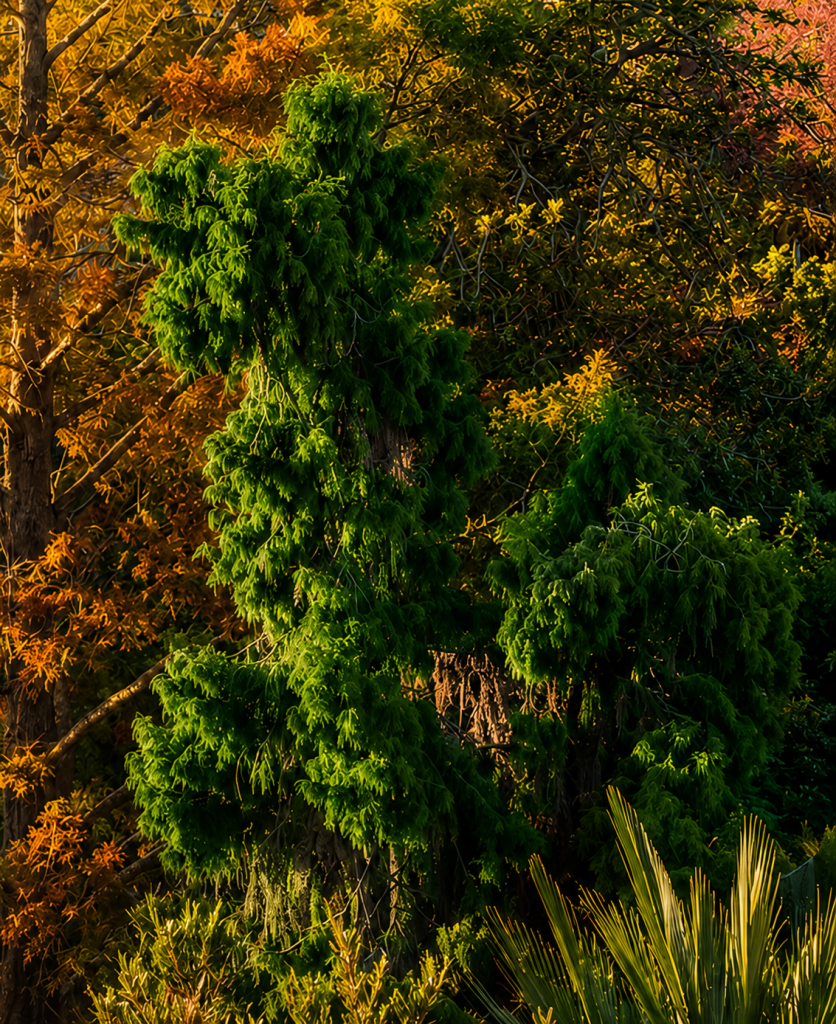
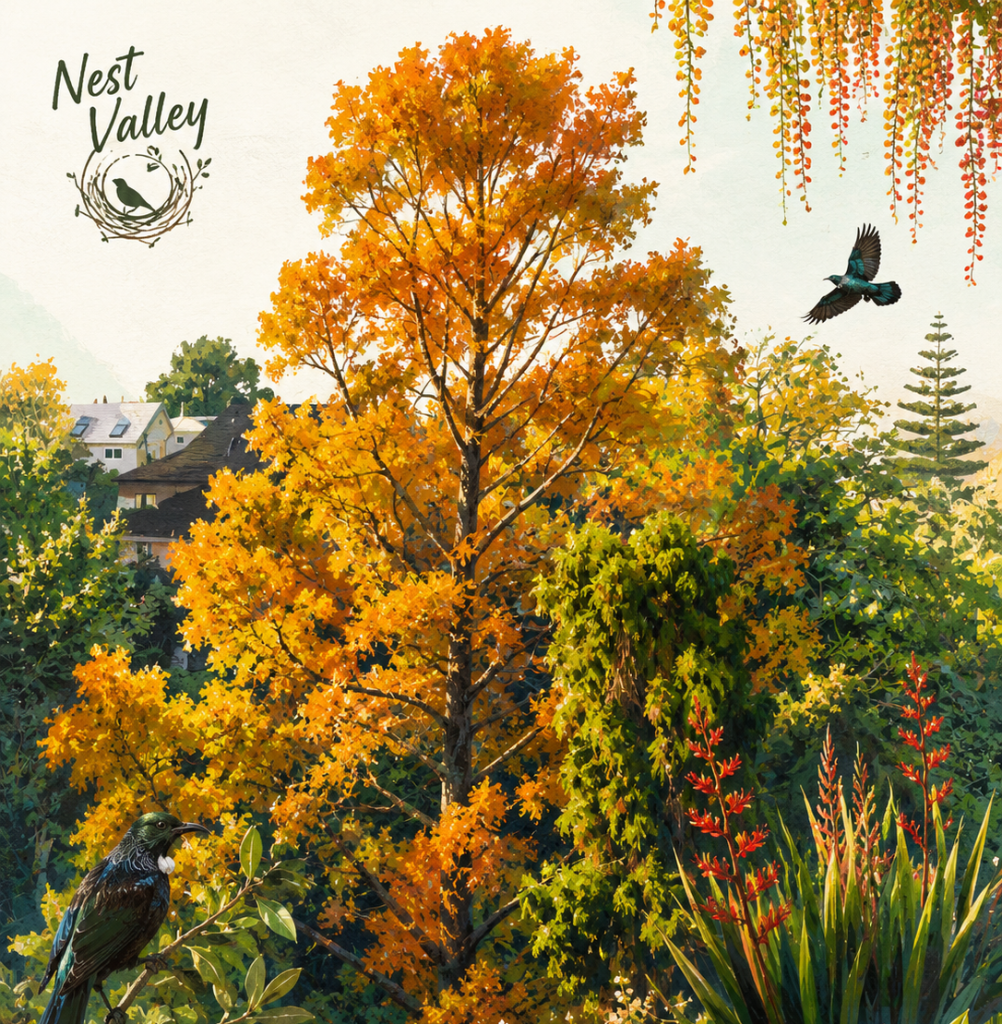
Swamp Cypress – A Unique Feature Tree
The Swamp Cypress is a striking deciduous conifer, admired for its soft feathery foliage and vibrant seasonal colour changes from fresh green in spring and summer to rich orange-gold tones in autumn.
- Fast-growing tree suited to both wet and well-drained soils
- Known for soft, feathery green foliage in spring and summer
- Turns dramatic orange-gold in autumn before shedding its needles
- Can eventually grow over 25 metres tall
- Highly tolerant of cold, wind, and waterlogged conditions
- May develop distinctive “knees” when growing in wet soils
- Considered a rare and unusual planting in areas like Nest Valley
- Creates strong seasonal interest throughout the year.
Akeake – A Hardy Coastal Native
Akeake is a fast-growing evergreen tree valued for its hardiness, colourful foliage, and sheltering qualities.
- Commonly used for hedging, screening, and coastal planting
- Narrow wavy leaves range from bright green to deep purple
- Purple foliage becomes richer in cooler weather
- Produces distinctive papery winged seed capsules in summer
- Extremely tolerant of wind, drought, and salt spray
- Fast growing and responds well to trimming
- Traditionally valued by Māori for its strong timber used in tools and weapons
- Attracts native birds such as kererū and kingfishers
- The name “akeake” means “forever and ever” in te reo Māori.
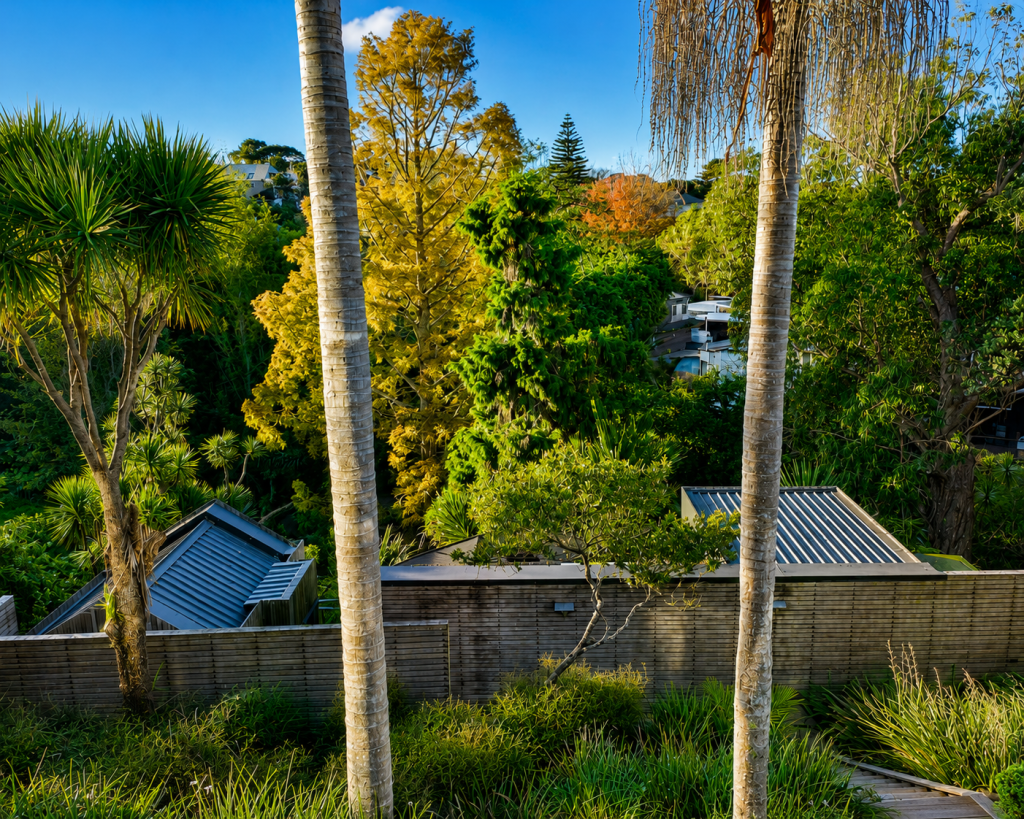
Flax NZ Native
New Zealand flax (Phormium) is a striking native plant known for its tall, sword-like leaves and deep cultural significance in Aotearoa.
Why it’s important:
- Its nectar-rich flowers provide an important food source for native birds such as tūī and bellbirds, as well as many insects
- Traditional Māori uses – Strong leaf fibres have long been used for weaving rope, fishing lines, baskets, mats, sails, and traditional cloaks. The plant’s sticky sap was also used as a natural antiseptic
- Unique to New Zealand – Although called “flax,” it is not a true flax but a distinctive native plant from the Phormium genus.
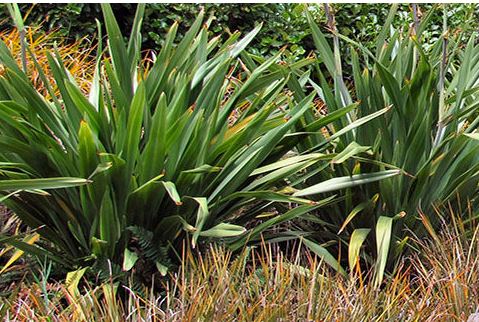
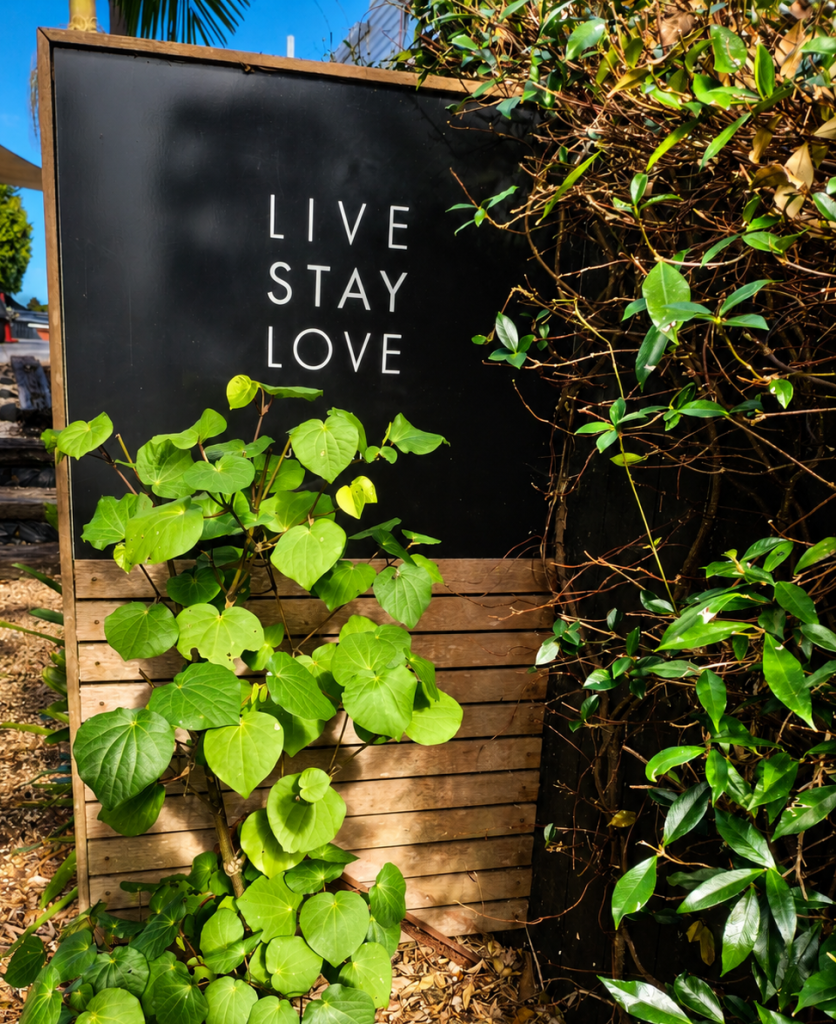
Kawakawa – NZ Native
Kawakawa (Piper excelsum) is a valued New Zealand native shrub central to Rongoā Māori medicine and everyday natural healing uses.
- Native shrub growing about 2–5 m tall with glossy, heart-shaped leaves and bamboo-like stems
- Leaves often show natural holes from kawakawa looper caterpillars, traditionally seen as a sign of medicinal strength
- Produces orange berries that are an important food source for native birds
- Leaves are brewed as a tea to support digestion and general wellbeing
- Warmed leaves are traditionally used as poultices for cuts, bruises, boils, and toothaches
- Modern uses include balms and skincare products for eczema, dry skin, insect bites, and minor skin irritation
- Kawakawa is widely regarded for its soothing, anti-inflammatory properties in traditional and contemporary use.